
Why Your Dark Spots Keep Coming Back (Even After Chemical Peels)

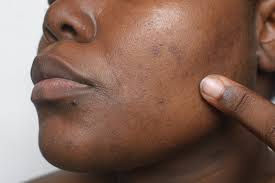
The missing step almost everyone skips before investing in advanced treatments.
If you’ve spent hundreds—or even thousands—on chemical peels, lasers, or microneedling only to watch your dark spots slowly return, you’re not imagining it.
The problem usually isn’t that the treatment “didn’t work.”
It’s that your skin was never taught to stop making excess pigment in the first place.
For people prone to post-inflammatory hyperpigmentation (PIH) or melasma, especially deeper skin tones, treating the spot without addressing why your melanocytes are producing excess melanin is like mopping up water while the faucet is still running.
Chemical Peels Remove Existing Pigment—They Don’t Stop New Pigment
Chemical peels, microneedling, lasers, and liquid microneedling are incredible tools.
They help:
Lift existing discoloration
Speed up cell turnover
Stimulate healthier skin
Improve texture and tone
But they don’t permanently turn off pigment production.
If your melanocytes remain overactive because of inflammation, UV exposure, hormones, acne, friction, or skin barrier damage, they’ll simply produce more pigment after your treatment.
That’s why many people say:
“My dark spots always come back.”
In reality, they never addressed the source.
Think of Hyperpigmentation Like a House Fire
Imagine your house is on fire.
Chemical peels are like replacing the burned furniture.
But if no one puts out the fire…
The house keeps burning.
The fire is pigment production.
Before you focus on removing discoloration, you have to calm the melanocytes responsible for making it.
Prepare Your Skin Before Advanced Treatments
One of the biggest mistakes people make is scheduling aggressive treatments before their skin is ready.
Preparing your skin helps:
Reduce inflammation
Support the skin barrier
Slow excess melanin production
Improve healing
Produce more predictable, longer-lasting results
Lower the risk of rebound hyperpigmentation
This preparation phase is often what separates temporary improvement from lasting progress.
Ingredients That Help Calm Pigment Production
Think of these ingredients as your “pigment managers.” They work by interrupting different steps in the melanin pathway rather than simply exfoliating the skin.
Niacinamide
One of the best daily ingredients for uneven skin tone.
Benefits:
Reduces transfer of pigment to skin cells
Strengthens the skin barrier
Calms inflammation
Helps reduce redness after acne
Alpha Arbutin
A gentle but effective tyrosinase inhibitor that slows melanin production without the irritation many stronger brighteners can cause.
Best for:
Post-acne marks
Sun spots
Uneven skin tone
Hexylresorcinol
One of the most exciting modern brightening ingredients.
It helps:
Inhibit tyrosinase activity
Target stubborn discoloration
Improve overall skin brightness
Support more even-looking skin
This ingredient is especially valuable when paired with professional corrective treatments because it addresses pigment formation before and after procedures.
Tranexamic Acid
Especially helpful for:
Melasma
Hormonal pigmentation
Persistent discoloration
Tranexamic acid works differently than exfoliants by helping interrupt inflammatory signals that trigger excess pigment.
Vitamin C
Not all Vitamin C products are created equal.
A stable, well-formulated Vitamin C can:
Neutralize free radicals
Reduce oxidative stress
Support brighter skin
Enhance sunscreen protection
Daily Sunscreen
No brightening routine works without sunscreen.
Even small amounts of UV exposure can reactivate melanocytes and undo weeks—or months—of progress.
SPF isn’t optional.
It’s part of the treatment plan.
Homecare Alone Usually Isn’t Enough
This surprises many people.
A good skincare routine can absolutely help prevent new discoloration and improve overall skin tone.
But once pigment has settled deeper into the skin following acne, inflammation, burns, or other trauma, topical products often have limited ability to remove it completely.
That’s where professional treatments become valuable.
Chemical peels, microneedling, and other corrective services help lift existing pigment that homecare alone cannot effectively reach.
The best results happen when professional treatments remove existing pigment while homecare helps prevent new pigment from forming.
It’s a partnership—not a competition.
Why Your Esthetician May Delay Your Peel
It can feel disappointing when your esthetician recommends spending several weeks improving your home routine before scheduling an advanced peel.
But this isn’t delaying your progress.
It’s protecting your investment.
Healthy, well-prepared skin:
Heals more efficiently
Responds better to treatments
Is less likely to develop additional pigmentation
Holds onto results much longer
Sometimes the fastest path to clear skin starts by slowing down.
The Bottom Line
If your dark spots keep returning, ask yourself this question:
Have I only been removing pigment—or have I been preventing it?
The most successful hyperpigmentation treatment plans combine:
Daily pigment-regulating ingredients
Consistent sunscreen use
A healthy skin barrier
Professional corrective treatments at the right time
Patience and consistency
Removing pigment is only half the journey.
Teaching your skin to stop creating unnecessary pigment is what helps those results last.
Professional Recommendation
At BijouSkin Facial Studio in Midtown Atlanta, every corrective treatment plan begins with evaluating your skin barrier, inflammation level, and pigment triggers before recommending chemical peels or advanced corrective services.
Instead of chasing dark spots every few months, the goal is to create an environment where your skin produces less unnecessary pigment, heals more predictably, and maintains brighter, healthier-looking skin long after your treatment is complete.
Related Products
Circadia Radiant Veil Brightener — Features alpha arbutin, niacinamide, hexylresorcinol, and additional pigment-correcting ingredients to help support a more even complexion while preparing the skin for professional treatments.
Daily broad-spectrum SPF — Essential for protecting your results and preventing new hyperpigmentation from developing.


Comments